If you’ve ever felt like intermittent fasting worked really well for you for a while… and then suddenly didn’t, your cycle may be part of the reason.
One week you feel focused, steady, and in control. Your meals make sense. Your energy is good. Your cravings feel manageable. You can go a little longer between dinner and breakfast without thinking about food every five minutes.
Then the next week hits.
You wake up hungry. You feel foggy. Your patience is hanging by a thread. Suddenly the same fasting window that felt easy last week feels like a full-time job. You find yourself craving more carbs, feeling more emotional, and wondering why your “discipline” disappeared overnight.
But that’s the thing.
It probably didn’t disappear.
Your hormones changed.
Women are not meant to run on a flat line. Our hormones shift week by week, and those shifts influence everything from hunger and cravings to energy, workouts, mood, sleep, digestion, and how well we tolerate fasting.
So if you’re trying to force the exact same eating window, workout intensity, and routine every single day of the month, it makes sense that something eventually starts to feel off.
This does not mean fasting is bad for women. It means the way we fast should be flexible enough to support the body we actually live in.
The goal is not to push harder.
The goal is to work with your body instead of constantly trying to override it.
Why Your Cycle Matters for Fasting
Your menstrual cycle is not just about your period. It is a full hormonal rhythm that affects your metabolism, blood sugar, appetite, energy, mood, and recovery.
Throughout the month, estrogen and progesterone rise and fall. These shifts can change how your body responds to fasting, how hungry you feel, how well you recover from workouts, and what kind of foods feel most supportive.
This is why a fasting window that feels amazing one week can feel way too stressful the next.
It is also why many women do better with a flexible fasting approach instead of a rigid one.
Cycle syncing fasting means adjusting your fasting window, meals, and movement based on where you are in your cycle. It is not about making your life more complicated. It is about giving yourself a structure that actually matches your body’s needs.
Let’s walk through what that can look like.
Follicular Phase: Days 1–10
The follicular phase starts on the first day of your period and continues after your period ends.
During this phase, your hormones are generally lower at the beginning and then estrogen begins to rise. Many women start to feel their energy come back after the first few days of their period. Mood may feel more stable, motivation may increase, and fasting may feel a little easier.
This is often a phase where your body tolerates a slightly longer overnight fast well.
A good fasting window here is usually around 13 to 15 hours.
That could look like finishing dinner around 7 PM and breaking your fast around 8 or 9 AM the next morning.
For many women, this phase can feel like the “get things done” phase. Mental clarity improves. Energy starts to feel more stable. Workouts may feel better. Blood sugar may feel easier to manage.
But even here, the goal is not to see how long you can go without eating. The goal is to use fasting as a tool, not a test.
When you do break your fast, make that first meal count. Focus on protein, fiber, and healthy fats so your blood sugar stays steady and you feel satisfied.
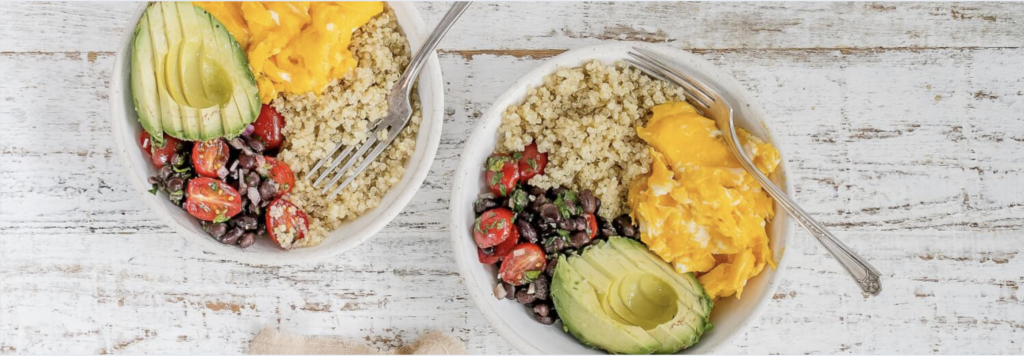
Think eggs with avocado and berries, Greek yogurt with chia and fruit, a protein smoothie with fiber-rich add-ins, or a savory breakfast bowl with protein, vegetables, and a complex carb.
This is where a lot of women go wrong with fasting. They extend the fast, but then break it with something too light or too low in protein. That can lead to energy crashes, cravings, and feeling like fasting “isn’t working.”
Your fasting window matters, but so does what you eat when the window opens.
Ovulatory Phase: Days 11–15
Around ovulation, estrogen peaks. This is often when women feel more energized, social, confident, and capable.
Your metabolism is typically steady here, and your body may respond well to strength training, higher-intensity workouts, and a consistent fasting window.
A 13 to 15 hour fast may still feel good during this phase.
This can be a great time to lean into more challenging workouts if your body feels up for it. You may notice better stamina, better mood, and more motivation to move.
But this is also where it can be tempting to push too hard.
You feel good, so you add more. More fasting. More intensity. More restriction. More pressure.
That is not the goal.
This phase is not about chasing perfection. It is about matching your energy to your output.
If you are training harder, you need to fuel well. That means enough protein, enough fiber, enough healthy fats, and enough carbs to support your workouts and recovery.
Fasting should not come at the expense of nourishment.
If you notice that your sleep gets worse, your cravings increase, your mood dips, or your workouts start to feel harder than they should, those are signs your body may need more support.
A fasting window is only helpful if it is helping you feel better, not just making you feel more in control.
Luteal Phase: Days 16–28
The luteal phase happens after ovulation and leads up to your period.
This is the phase that gets misunderstood the most.
Progesterone rises. Your body temperature slightly increases. Your metabolism may increase. Hunger can feel stronger. Cravings can show up. Energy may dip. You may feel slower, more emotional, more sensitive, or less interested in intense workouts.
And because this phase can feel so different from the first half of your cycle, many women assume they are doing something wrong.
They think they are losing motivation.
They think their willpower is gone.
They think their body is working against them.
But your body is not being dramatic. It is doing the prep work.
During the luteal phase, your body usually needs more support, not more restriction. This is often the time to shorten your fasting window and focus on steady meals.
Instead of pushing for 15 hours, aim closer to 12 to 13 hours.
For some women, that may mean breaking the fast earlier. For others, it may mean having a more balanced dinner or adding an evening snack if hunger is interfering with sleep.
This is also a great time to include more complex carbs.
Foods like sweet potatoes, berries, oats, quinoa, beans, lentils, and squash can help support mood, blood sugar, and cravings. Carbs are not the enemy here. They are often exactly what your body is asking for.
The luteal phase is also a time to pay attention to recovery.
You may still be able to work out, but your body may not feel as sharp or explosive. Strength training, walking, Pilates, mobility, and lower-intensity movement may feel more supportive than constantly pushing for high intensity.
This is the phase where listening to your body is the strategy.
Not quitting.
Not giving up.
Not “falling off.”
Listening.
How to Know If Your Fasting Window Is Working
A fasting window should support your body, not stress it out.
Some signs your fasting approach may be working well include steady energy, stable mood, manageable hunger, fewer cravings, better digestion, and feeling satisfied after meals.
Some signs you may need to adjust include waking up starving, feeling shaky or anxious, obsessing over food, struggling with sleep, feeling exhausted during workouts, getting intense cravings at night, or feeling like you are constantly white-knuckling your routine.
This is especially important during the luteal phase.
If your body is clearly asking for more food, more rest, or a shorter fast, that is not failure. That is feedback.
There is a big difference between gentle structure and rigid restriction.
The most successful women are not the ones who force the same routine every day no matter what. They are the ones who learn how to adjust without spiraling.
What to Eat When Cycle Syncing and Fasting
When fasting is paired with under-eating, low protein, or random meals, it usually backfires.
The goal is not just to fast. The goal is to build meals that keep you full, support your hormones, and make your fasting window feel natural instead of forced.
A strong meal after fasting should include protein, fiber, healthy fats, and ideally some color from fruits or vegetables.
Protein helps with fullness, muscle maintenance, and blood sugar balance. Fiber supports digestion, gut health, and steady energy. Healthy fats support hormones and satisfaction. Complex carbs can support mood, workouts, and cravings, especially in the luteal phase.
This is why a cycle syncing approach works best when your meals are already structured.
You should not have to guess what to eat every day or wonder if your meals are “right.” You need meals that make sense for the phase you are in and the way your body feels.
That is exactly why Fall Fit in 4 was created.
It gives you structured meals that support intermittent fasting and cycle syncing, so you are not winging it every week or trying to piece together random advice from the internet.
You will see recipes built around these exact phases, helping you know when to keep things steady, when to fuel more, when to support cravings, and when to give your body a little more grace.
Because the goal is not to overhaul your entire life.
The goal is to build a rhythm that actually listens to your body.
The Bottom Line
Your body is not unpredictable.
It is responsive.
It responds to your hormones, your sleep, your stress, your workouts, your meals, and the phase of your cycle you are in.
When you start paying attention to those patterns, everything gets a little easier.
You stop blaming yourself for needing something different.
You stop forcing routines that only work for one version of you.
You stop treating hunger, cravings, and low energy like character flaws.
And you start building habits that actually fit the body you have.
Intermittent fasting can be a helpful tool for women, but it should never be rigid, extreme, or disconnected from your cycle.
Some weeks, a 13- to 15-hour fast may feel great.
Other weeks, 12 hours and a balanced breakfast may be exactly what your body needs.
That flexibility is not weakness.
Your hormones are not static, and your habits do not have to be either.