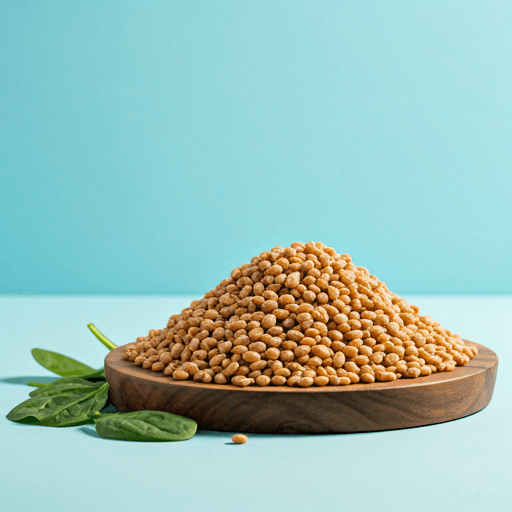
Dietary fiber plays a crucial role in maintaining a healthy digestive system. It is a type of carbohydrate found in plant based foods that the body cannot fully digest. Instead of being absorbed, fiber moves through the digestive tract, supporting digestion and overall gut health.
Improves Bowel Regularity
One of the main benefits of fiber is its ability to prevent constipation. Fiber adds bulk to stool and helps it pass more easily through the intestines. This leads to more regular bowel movements and reduces discomfort such as bloating or straining.
Supports a Healthy Gut Microbiome
Fiber acts as fuel for beneficial gut bacteria. When these bacteria break down fiber, they produce substances that nourish the intestinal lining and support immune function. A healthy gut microbiome improves digestion and helps protect against harmful bacteria.
Helps Prevent Digestive Disorders
Adequate fiber intake is linked to a lower risk of digestive conditions such as hemorrhoids and diverticular disease. By keeping stools soft and regular, fiber reduces pressure on the colon and supports long term digestive health.
Aids in Weight Control
Fiber rich foods help you feel full for longer periods. This can reduce overall calorie intake and support healthy weight management. Maintaining a healthy weight also reduces stress on the digestive system.
Regulates Blood Sugar Levels
Fiber slows the absorption of sugar into the bloodstream. This helps prevent sudden spikes in blood sugar and improves insulin response. Stable blood sugar levels contribute to better digestive and metabolic health.
Lowers Cholesterol
Soluble fiber binds with cholesterol in the digestive tract and helps remove it from the body. This can lower bad cholesterol levels and reduce the risk of heart disease, which is closely linked to overall health.
Good Sources of Fiber
High fiber foods include fruits, vegetables, whole grains, legumes, nuts, and seeds. Apples, berries, oats, brown rice, lentils, beans, and leafy greens are excellent choices. Including a variety of these foods ensures a balance of soluble and insoluble fiber.
Tips for Increasing Fiber Intake
Add fiber to your diet gradually to avoid gas or bloating. Drink enough water to help fiber move smoothly through the digestive system. Choose whole foods over processed options and replace refined grains with whole grain alternatives.
Conclusion
Fiber is essential for a healthy digestive system. It improves bowel regularity, supports gut bacteria, and helps prevent common digestive issues. By including fiber rich foods in your daily diet, you can support digestion and improve overall well being in a natural and sustainable way.