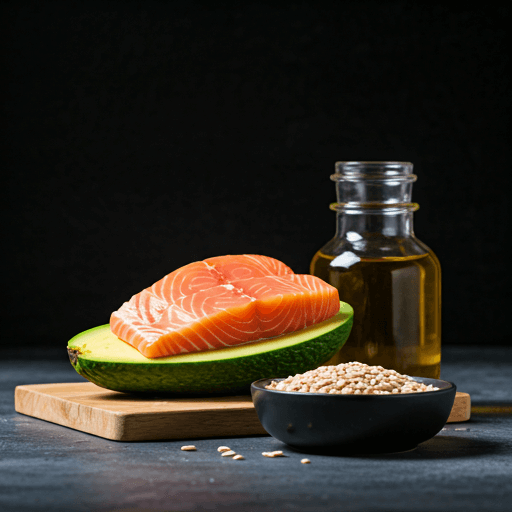
Protein is one of the three main macronutrients, along with carbohydrates and fats. It plays a vital role in building, repairing, and maintaining the body. From muscles and bones to hormones and enzymes, protein is involved in nearly every biological process. Understanding its role can help you make better dietary choices and support overall health.
Builds and Repairs Body Tissues
Protein is essential for the growth and repair of body tissues. Muscles, skin, hair, and nails are all made largely of protein. After physical activity, illness, or injury, the body uses protein to repair damaged tissues and maintain strength.
Supports Muscle Health and Strength
Adequate protein intake is especially important for maintaining muscle mass. It helps prevent muscle loss as we age and supports muscle recovery after exercise. Including protein in each meal can improve muscle function and physical performance.
Plays a Role in Enzyme and Hormone Production
Many enzymes and hormones are made from protein. Enzymes help carry out chemical reactions in the body, including digestion and energy production. Hormones such as insulin help regulate processes like blood sugar levels and metabolism.
Boosts Immune Function
Protein is necessary for the production of antibodies that help the body fight infections. A diet low in protein can weaken the immune system, making the body more vulnerable to illness.
Helps with Satiety and Weight Management
Protein rich foods tend to be more filling than carbohydrates or fats. They slow digestion and help control appetite, which can reduce unnecessary snacking and support healthy weight management.
Supports Bone Health
Protein works alongside minerals like calcium to maintain strong bones. Adequate protein intake is associated with better bone density and a lower risk of fractures, especially in older adults.
Sources of Dietary Protein
Protein can be obtained from both animal and plant based sources. Animal sources include eggs, dairy products, fish, poultry, and lean meats. Plant based sources include lentils, beans, chickpeas, tofu, nuts, seeds, and whole grains. A varied diet ensures a good balance of essential amino acids.
How Much Protein Do You Need
Protein needs vary depending on age, activity level, and health goals. Most people benefit from spreading protein intake evenly throughout the day rather than consuming it all in one meal.
Conclusion
Protein is a fundamental nutrient that supports muscle health, immunity, metabolism, and overall body function. Including adequate amounts of high quality protein in your daily diet helps maintain strength, supports recovery, and promotes long term health.