
Inside The 90-30-50 Method, fiber has a clear daily minimum: 30 grams.
That number is there because most women are not getting close to it.
Most people average closer to 10 to 15 grams per day, which means 30 grams can feel like a lot at first. But the issue usually is not that the goal is unreasonable. It is that most meals are not built with fiber in mind.
A salad can look healthy and still barely move the number.
A smoothie can taste “clean” and still have almost no fiber if it is mostly fruit juice or almond milk.
A plate of grilled chicken and veggies may be high in protein, but depending on the vegetables and portions, it may still fall short on fiber.
That is why fiber has a minimum inside this method.
Because “I eat vegetables” and “I hit 30 grams of fiber” are not always the same thing.
Fiber is a carbohydrate your body cannot digest, which sounds like a bad thing until you understand that this is exactly why it works. It moves through your digestive system in a way that helps steady blood sugar, support digestion, feed your gut, keep you full, and help your body clear out what it no longer needs.
So yes, fiber helps you poop.
But that is not the whole story.
Soluble vs. insoluble fiber
There are two main types of fiber: soluble and insoluble.
Soluble fiber dissolves in water and forms a gel-like substance in the gut. This helps slow digestion, steady blood sugar, support fullness, and bind to cholesterol in the digestive tract.
You will find soluble fiber in foods like oats, beans, lentils, chia seeds, flaxseed, apples, berries, and avocado.
Insoluble fiber does not dissolve in water. It adds bulk to stool and helps keep digestion moving.
You will find insoluble fiber in foods like vegetables, whole grains, nuts, seeds, beans, and the skins of fruits and vegetables.
You need both.
One helps slow things down so your blood sugar and appetite are not all over the place. The other helps move things along so digestion stays more regular.
Very glamorous work. Very necessary.
Why fiber matters for blood sugar
Fiber slows the absorption of glucose into your bloodstream. That means your body gets a steadier release of energy instead of the spike-and-crash pattern that leaves you tired, hungry, irritated, and suddenly very interested in whatever is in the pantry.
This matters for fat loss because blood sugar and insulin are part of the bigger metabolic picture.
When meals are low in fiber, they digest faster. You may feel full for a little while, but then hunger comes back quickly. Cravings get louder. Energy dips. Snacks start becoming less of a choice and more of an emergency.
That does not mean you did anything wrong.
It means the meal probably needed more structure.
Inside the app, the recipes are built to help with that structure. You are not just looking for something “healthy.” You are looking for meals that hold you: protein, fiber, and healthy fats working together so you are not hungry again an hour later.
Fiber and hormone health
Fiber also plays a role in hormone balance, especially when it comes to estrogen.
Your body packages up excess estrogen so it can leave through the digestive system. Regular bowel movements are part of that process. If digestion is slow and you are not going regularly, waste is not moving out as efficiently as it should.
That matters.
Fiber supports that natural clearance process by helping bind and move things through the gut. It also supports the liver and digestive system, which are both involved in hormone metabolism.
This is why I do not want fiber treated like an afterthought.
You do not need a detox tea, a juice cleanse, or a dramatic reset where you pretend lemon water is a meal. Your body already has detox pathways. Fiber helps them do their job.
Much less flashy. Much more useful.
Fiber feeds your gut
Your healthy gut bacteria need fuel, and fiber is one of their favorite sources.
This is called prebiotic fiber. It feeds the good bacteria in your gut, which supports digestion, immune health, inflammation, metabolism, and overall gut function.
When fiber is too low, digestion can feel inconsistent. Some women notice constipation. Some feel bloated or sluggish. Others feel like their meals just do not sit well or keep them satisfied.
Of course, fiber is not the only reason digestion can feel off, but it is one of the first places to look because so many women are under-eating it.
One important note: do not jump from 10 grams to 30 grams overnight and then blame fiber when your stomach starts yelling.
Increase slowly. Drink more water. Let your gut adjust.
The recipes and programs inside the app are here to help you build toward 30 grams in a way that feels doable, not like you suddenly turned breakfast into a fiber-loading contest.
Fiber helps with fullness and cravings
Fiber adds volume to meals and slows digestion, which helps you feel fuller for longer.
This is why two meals with similar calories can feel completely different.
A rice cake by itself is not going to hold most people for long.
Greek yogurt with berries, chia seeds, and protein powder has more staying power.
Plain pasta may taste good, but chickpea pasta with vegetables, olive oil, and protein is going to do more for blood sugar, fullness, and fiber.
A salad made of mostly lettuce may look like the “good” choice, but a bowl with greens, beans, avocado, chicken, and a high-fiber dressing or topping is built much better.
That is the difference I want you to start noticing.
A meal can be low calorie and still leave you hungry.
A meal can look clean and still be low in fiber.
A snack can technically “fit” and still do nothing for your cravings.
Fiber is one of the nutrients that makes food actually stay with you.
“I eat vegetables” does not always mean “I eat enough fiber.”
This is probably the biggest fiber misconception.
Vegetables are great. Keep eating them.
But a handful of lettuce, cucumber slices, and a few baby carrots are not going to carry you to 30 grams.
You need foods that actually move the number: chia seeds, flaxseed, berries, lentils, beans, oats, avocado, cruciferous vegetables, sweet potatoes, nuts, seeds, chickpea pasta, high-fiber wraps, and other fiber-rich ingredients.
That is why you will see those foods throughout the app recipes.
Not because every meal needs to be a bean bowl.
Because the easiest way to hit 30 grams is to let fiber show up across the day instead of trying to fix it at dinner.
A few grams at breakfast. More at lunch. A snack that contributes something. A dinner that brings it home.
That is much easier than getting to 7 p.m. and realizing your fiber intake was mostly vibes.
What about fiber bars?
Fiber bars can be convenient, and there may be times when they make sense.
But I do not want your entire fiber strategy coming from a bar you found at the bottom of your bag.
Many bars use isolated fibers to raise the number on the label. That can help, but it is not the same as getting fiber from whole food sources like berries, beans, lentils, oats, seeds, avocado, and vegetables.
Whole food fiber comes with vitamins, minerals, antioxidants, and plant compounds your body can actually use.
So the goal is not to hit 30 grams in the weirdest way possible.
The goal is to build meals that support your body in more than one way.
Signs you may not be getting enough fiber
Low fiber can show up in obvious ways, like constipation or irregular digestion.
It can also show up as hunger one to two hours after eating, constant cravings for carbs or sweets, bloating, feeling puffy, inconsistent bowel movements, low energy, or meals that never seem to satisfy you.
Fiber is not the answer to everything, but it is foundational enough that it is worth checking first.
Especially if you are eating “healthy” but still feel hungry, sluggish, snacky, or stuck.
Sometimes the problem is not that you need less food.
Sometimes the meal just needs to be built better.
How the app helps you hit 30 grams
You do not need to memorize fiber charts or build every meal from scratch.
That is the point of having recipes and programs inside the app.
The meals are built with The 90-30-50 Method in mind, which means protein, fiber, and healthy fats are not treated like random add-ons. They are part of the structure.
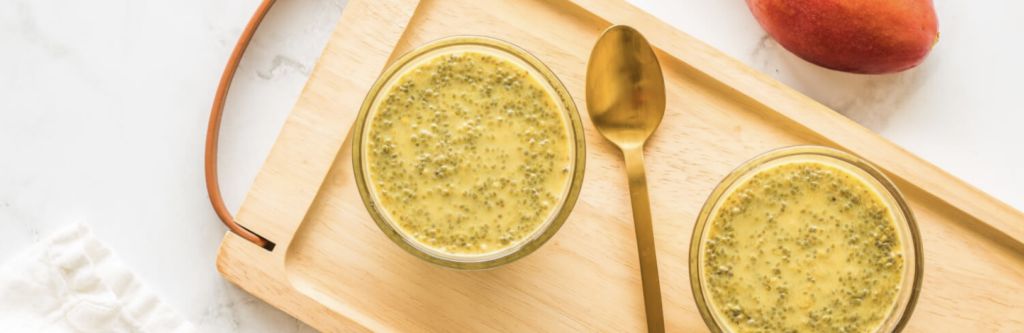
You will see breakfasts that use ingredients like chia, flax, oats, berries, and Greek yogurt.
You will see lunches with beans, lentils, avocado, cruciferous vegetables, high-fiber wraps, or fiber-rich toppings.
You will see dinners that include vegetables, legumes, chickpea pasta, sweet potatoes, or other ingredients that help you get closer to your daily target without making the meal feel like homework.
The goal is not to make fiber complicated.
The goal is to make it repeatable.
Because once you know which meals help you feel full, energized, regular, and less snack-driven, you can stop guessing and start repeating what works.
Why 30 grams is the minimum
The 30g fiber minimum is a pillar of The 90-30-50 Method because fiber helps make meals more satisfying, steady, and supportive.
It helps with blood sugar.
It supports digestion.
It feeds your gut.
It plays a role in hormone clearance.
It can help lower LDL cholesterol.
It supports fullness, cravings, and long-term metabolic health.
And yes, it helps keep things moving.
When you start hitting your fiber minimum consistently, you usually feel the difference.
Meals hold you longer. Cravings get quieter. Digestion has more rhythm. Energy feels steadier. You are not trying to white-knuckle your way from breakfast to dinner.
That is the point of 30 grams.
It is not a random number.
It is a daily baseline that helps your body function better.