
If you’ve heard anything about weight loss in the last few years, you’ve probably heard about GLP-1 medications like Ozempic and Wegovy.
They can reduce appetite. Quiet food noise. Help you feel fuller for longer. Make it easier to eat less without feeling like you’re constantly fighting your own brain.
But here’s the part I want more women to understand:
GLP-1 isn’t something Ozempic created.
Your body already makes it.
Every single day.
And understanding how this hormone works can teach us a lot about why certain meals leave you satisfied for hours while others have you standing in the pantry looking for something else 45 minutes later.
First, What Exactly Is GLP-1?
GLP-1 stands for glucagon-like peptide-1.
Sounds complicated. What it does is actually pretty easy to understand.
After you eat, your intestines release GLP-1 as part of your body’s normal response to food.
Think of it like your gut sending a message upstairs:
“We ate. Food is coming in. You can turn down the hunger signals now.”
GLP-1 helps:
- Signal fullness to your brain
- Slow how quickly food leaves your stomach
- Support healthy blood sugar regulation
- Help you stay satisfied longer after eating
- Reduce the drive to keep thinking about or searching for food
In other words, your digestive system and your brain are constantly communicating about whether you need more food.
GLP-1 is one of the messengers involved in that conversation.
So How Do Ozempic and Wegovy Work?
Medications like Ozempic and Wegovy contain semaglutide, which acts on the same GLP-1 receptors involved in your body’s natural appetite and blood sugar regulation.
The major difference is that the medication’s effects last much longer than the GLP-1 your body naturally releases after a meal.
That longer-lasting signal can:
- Increase fullness
- Reduce appetite
- Slow digestion
- Improve blood sugar regulation
- Reduce cravings and food noise for many people
And there’s an important distinction here.
Taking a GLP-1 medication does not automatically mean your body was “deficient” in GLP-1.
The medication is creating a much stronger and longer-lasting effect on that pathway than your natural GLP-1 response alone.
That’s also why I don’t love when people call certain foods “nature’s Ozempic.”
Food and GLP-1 medications are not interchangeable.
But food absolutely can influence the appetite hormones your body already makes.
Your Body Already Knows How to Make GLP-1
You don’t need medication in order for your body to produce GLP-1.
You’re already producing it every time you eat.
The better question is:
What kind of meal gives your body the strongest satiety signals afterward?
Because there is a BIG difference between eating something that technically contains calories and eating a meal that actually leaves your body feeling fed.
A coffee and granola bar might get you through the door in the morning.
But if you’re ravenous two hours later, thinking about lunch at 10:30, grabbing bites of your kids’ snacks and feeling like you have “no willpower,” that isn’t necessarily a discipline problem.
Your breakfast may simply not have given your body much to work with.
This is where protein, fiber and healthy fats become so important.
Protein Is One of Your Biggest Fullness Tools
Protein is one of the nutrients that can help stimulate the gut hormones involved in fullness after a meal, including GLP-1.
And practically speaking, we see the difference all the time.
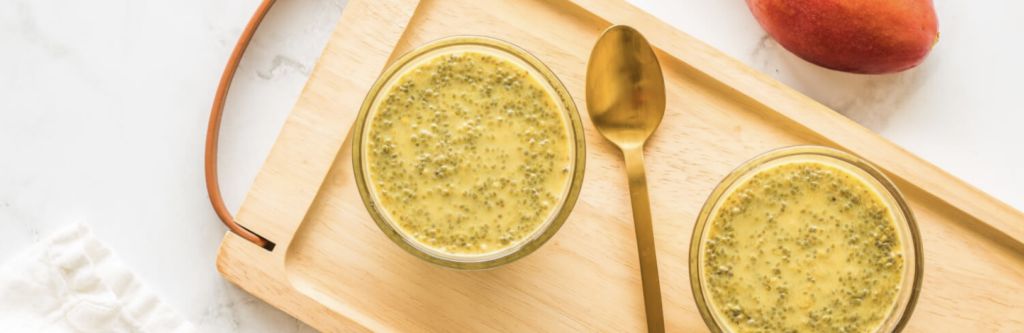
Compare a piece of toast by itself with a breakfast containing eggs, Greek yogurt, berries and chia seeds.
One is probably going to hold you significantly longer.
Some of my favorite protein sources include:
- Greek yogurt
- Eggs
- Chicken
- Fish
- Cottage cheese
- Lean beef
- Turkey
- Tofu and other soy foods
This is one of the reasons I talk about protein so much.
It isn’t just about building muscle.
Protein can make meals dramatically more satisfying, which makes everything that happens later in the day easier.
Fiber Helps Slow Everything Down
Fiber is another huge piece of the appetite puzzle.
Foods like:
- Beans
- Lentils
- Oats
- Chia seeds
- Vegetables
- Berries
- Whole grains
take longer to digest than highly refined foods and help create meals with more staying power.
Certain fibers are also fermented by your gut bacteria, producing compounds that may influence gut hormones involved in appetite regulation.
Translation?
Fiber helps turn a meal into something your body actually has to work through.
Instead of eating, getting a quick burst of energy and immediately wanting something else, you’re giving your digestive system food that takes time to process.
That can mean better fullness, steadier energy and fewer “Why am I hungry AGAIN?” moments throughout the day.
Healthy Fats Help Extend Fullness
Then we have dietary fat.
Think:
- Avocado
- Olive oil
- Nuts
- Seeds
- Nut butters
- Fatty fish
Fat slows digestion and adds staying power to a meal.
And this is where I see so many women accidentally make their meals harder than they need to be.
They’re eating the chicken.
They’re eating the salad.
They’re choosing the low-calorie dressing.
They’re skipping the avocado.
They’re avoiding nuts because they’re “too high calorie.”
Then they finish lunch and spend the entire afternoon thinking about food.
Sometimes the answer isn’t to eat less.
It’s to build a meal that actually satisfies you.
This Is Basically Why I Teach 90-30-50
If you’ve followed me for any amount of time, you already know the numbers:
90 grams of protein.
30 grams of fiber.
50 grams of healthy fats.
And no, I didn’t pull those numbers out of a hat.
The entire philosophy behind the 90-30-50 Method is to build your day around nutrients that help you feel FED.
Protein for fullness and muscle.
Fiber for digestion, blood sugar support and satiety.
Healthy fats for satisfaction, nutrient absorption and staying power.
Together, they can help you:
- Stay fuller longer
- Reduce cravings
- Support steadier blood sugar
- Feel more in control around food
- Stop constantly thinking about your next meal
- Make weight loss feel easier to sustain
Not effortless.
Not automatic.
And definitely not because eating avocado suddenly turns your body into Ozempic.
But because when your meals actually satisfy you, maintaining the habits required for fat loss becomes a whole lot easier.
You’re not spending the entire day white-knuckling your way through hunger.
And Here’s the Important Reality Check
I want to be very clear about this because there is a LOT of misleading nutrition content online right now.
Food is not a replacement for a prescribed GLP-1 medication.
GLP-1 medications create a much stronger and longer-lasting effect than the temporary hormone response you get from eating a meal.
For some people, medication may be an appropriate and incredibly helpful tool based on their health history, goals and conversation with their healthcare provider.
For other people, medication may not be necessary, appropriate or something they want to pursue.
Those are completely different conversations.
But regardless of whether GLP-1 medication is part of your story, understanding your body’s natural appetite regulation still matters.
If you are not taking a GLP-1 medication, consistently eating enough protein, fiber and healthy fats is one of the best ways to build meals that work with your body’s natural hunger and fullness signals instead of constantly fighting against them.
And if you are taking one?
Nutrition still matters.
You still need enough protein.
You still need fiber.
You still need healthy fats, micronutrients and enough total nourishment to support your body.
Because the goal was never just to eat as little as possible.
The goal is to build a way of eating that makes you feel good, keeps you satisfied and actually supports the life you want to live.
And your body already has some pretty incredible systems designed to help you do exactly that.
A quick disclaimer:This article is for educational purposes only and is not medical advice. If you’re currently taking or considering a GLP-1 medication like Ozempic or Wegovy, always follow the guidance of your healthcare provider. The foods discussed here are not a replacement for prescribed medication.They simply support your body’s natural hunger and fullness hormones as part of an overall healthy diet.